Biography
Biography of Maria Montessori
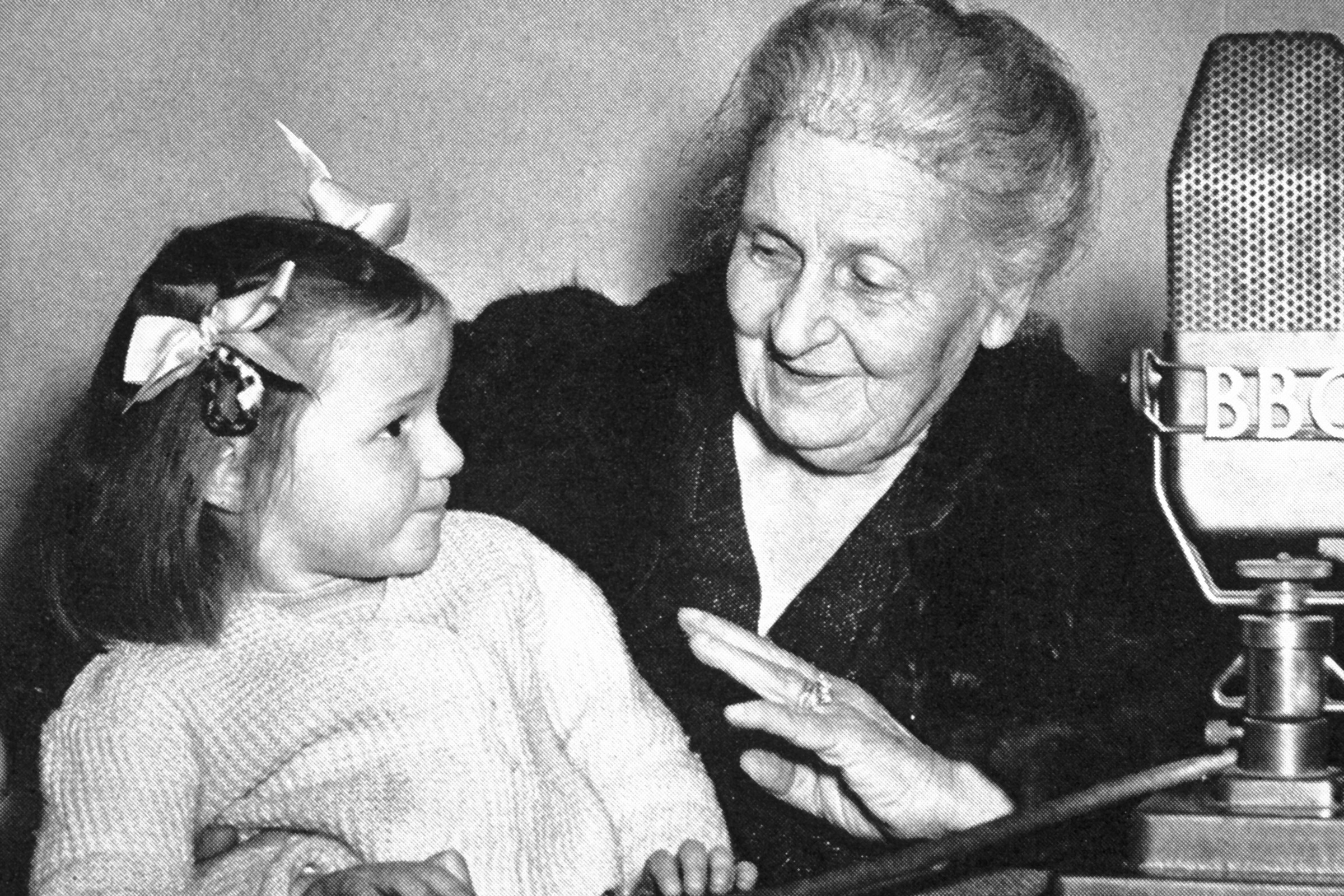 |
| Maria Montessori 1950, broadcast on the BBC Italian Service |
Maria Montessori was an Italian physician, educator, and innovator best known for her pioneering work in the field of early childhood education. She was born on August 31, 1870, in Chiaravalle, Italy, and died on May 6, 1952, in Noordwijk aan Zee, Netherlands. Her life and career were marked by a commitment to child development and education that revolutionized teaching methods worldwide.
Here is a brief biography of Maria Montessori:
Early Life and Education:
Maria Montessori was born to Alessandro Montessori and Renilde Stoppani. Her father was a government official, and her mother came from a well-educated family. Maria was encouraged to pursue education and academic excellence from a young age.
She attended a boys' technical institute, which was unusual for a girl at the time, but she excelled academically and developed a strong interest in mathematics and science.
Maria Montessori later enrolled at the University of Rome, where she initially studied engineering, but she soon changed her focus to medicine, becoming one of the first women in Italy to earn a medical degree in 1896.
Pioneering Work in Education:
In 1901, Montessori was appointed as a co-director of a training institute for special education teachers in Rome. Her work with intellectually disabled children laid the foundation for her educational theories.
She developed the Montessori Method, which emphasized the importance of a carefully prepared environment, self-directed learning, and hands-on materials to promote the natural development of children.
In 1907, Montessori opened her first Casa dei Bambini, or "Children's House," in a poor neighborhood in Rome. This marked the beginning of her revolutionary approach to early childhood education.
Her educational methods gained international recognition, and she traveled extensively, training teachers and spreading her ideas. Montessori schools were established around the world, and her methods were adapted for various age groups.
Later Life and Legacy:
Maria Montessori continued to write books, deliver lectures, and advocate for her educational philosophy throughout her life. Her most famous works include "The Montessori Method" and "The Secret of Childhood."
She founded the Association Montessori Internationale (AMI) in 1929 to promote and preserve her educational principles and ensure their proper implementation.
Montessori's influence on education extended beyond the classroom, impacting the design of educational materials, classroom layouts, and teacher training programs.
Maria Montessori passed away in the Netherlands in 1952, but her legacy lives on through the countless Montessori schools and educators who continue to embrace and adapt her educational approach to benefit children's learning and development worldwide.
Maria Montessori's innovative ideas and methods have had a profound and lasting impact on education, emphasizing the importance of respecting the individuality and natural curiosity of each child. Her work continues to shape modern education and inspire educators to create nurturing and empowering learning environments for children.
Comments
Post a Comment